

Why Protein Is Important
By Elizabeth Leppart, MS, LN
May 10, 2026
Originally written in February 2022. Updated and revised in 2024 and again in 2026.
If you've been a follower of Nutritional Weight & Wellness for awhile you know that we talk about balancing real food meals with the big three: protein, fat, and carbohydrates (mostly of the veggie variety!). Today, we'd like to highlight protein (of the big three!).
In this article, we'll cover why protein is important, how much protein is ideal, and ideas for how to incorporate higher protein intake into a balanced diet.
Why Is Dietary Protein An Essential Macronutrient?
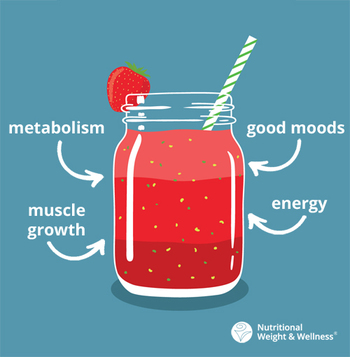
Protein is important for a lot of our bodily functions: metabolism, energy, good moods, neurotransmitter production, tissue and muscle growth, just to name a few. Here's a list of why getting enough protein in your daily diet is essential:
- Protein makes up all of the tissues in our body!
- It stimulates metabolism by up to 30% for several hours.
- It helps you feel satisfied and helps prevent cravings.
- Protein supports our ability to move our bodies and prevent injury by supporting our bone health, tendons, and ligaments.
- It's essential for a healthy immune system.
- It helps the body build muscle mass and skeletal muscle, which in turn helps support metabolism and a healthy body weight.
- Protein is necessary to support feel-good neurotransmitters for a healthy brain.
- Paired with healthy carbohydrates and fat, it keeps our blood sugar stable for good energy and a healthy metabolism.
How Much Protein Is Ideal?

For women, we recommend 3-4 ounces of protein at each meal and 1-2 ounces at snacks. If you like to track in grams, that would be 21-28 grams of protein at meals and 7-14 grams of protein at snacks.
For men, we recommend 5-6 ounces of protein at each meal and 2-3 ounces at snacks.
One great way to eyeball portion sizes for meals is to use the palm of your hand as a guide. If you use the palm of your hand as a visual guide, a meal might look like two palms of meat or fish for your protein requirements. Even better to use a food scale for accuracy!
That might seem like a lot, especially if you're used to getting just a smattering of chicken on your salad or in your pasta meat sauce.
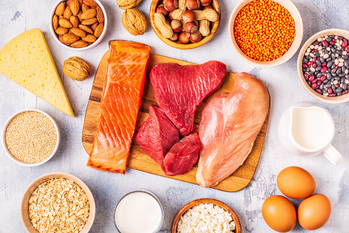
The good news is there are a variety of animal protein foods to choose from: chicken, fish, turkey, lamb, grass-fed beef, eggs, pork, and dairy if tolerated. These animal proteins can be consumed in a variety of ways: ground meat, grilled meat, egg scrambles, roasts in your slow cooker, and a plethora of one pot or sheet pan dishes.
Healthy Sources Of Protein Rich Foods
Proteins are long chains of amino acids and are the building blocks for all the different functions and structures in the body. Essential amino acids come from food and the foods that contain all nine essential amino acids are called complete proteins.
Complete proteins are mostly found in animal sources. There are a few sources of complete plant proteins like soy, quinoa, and buckwheat, however we don’t recommend using these as your main source of dietary protein, which we’ll explain shortly.
Foods that contain some but not all of the essential amino acids are called incomplete proteins. These protein foods include:
- Nuts and seeds
- Beans
- Grains
The Difference Between Animal Protein vs. Plant Protein
While there are amino acids in plant proteins, the bioavailability of these plant proteins aren't as strong as animal proteins, meaning that it's harder for the body to use them.
The high fiber in these foods prevents a lot of the protein from being absorbed. The fiber binds to some of the proteins and gets expelled rather than absorbed.
Often you'll need to eat larger quantities of these plant proteins to get the required grams, but because they are also high in carbohydrates, they raise blood sugar.
For example, beans and whole grains are incomplete proteins which create a complete protein of all nine essential amino acids when consumed together. One cup of rice and beans contains roughly 10 grams of protein, 8 grams of fiber and ~40 grams of carbohydrates.
That amount of carbohydrate will likely raise blood sugar higher than we want it.
Animal proteins have no carbohydrates, with the exception of dairy products. Then to balance the meal you can add in plant-based foods in moderation for a little carbohydrate and, depending on the plant, some bonus protein.
Our dietitians and nutritionists can help you make a plan if you need help navigating the dietary guidelines of adequate protein.
Learn More: Watch this YouTube Short
A Day Of Protein Rich Foods
If you're not used to getting 3-6 oz of animal protein at your meals, it might feel like a lot at first. First measure your current protein intake so you have a starting point, then gradually work your way up until it becomes your norm.
For inspiration, here's a look at what I eat in a day to hit my protein goals:
Breakfast: Easy Breakfast Scramble: 1 egg + 2oz nitrate-free chicken sausage, 1-2 cups frozen or leftover veggies, cooked in 1T butter
Lunch: Simple Salad: 4 oz rotisserie chicken over 2 cups salad greens + 1 small sliced apple, 2T chopped pecans + 1T olive oil and balsamic vinegar dressing
Afternoon Snack: Peanut Butter protein balls made with whey protein powder
RECIPE: Peanut Butter Protein Balls
Dinner: Egg Roll in a Bowl: 4oz ground pork with slivered almonds + sesame oil + coleslaw cabbage mix
RECIPE: Egg Roll in a Bowl Recipe
Bedtime Snack: ½ cup fresh berries + 1/3 cup canned coconut milk
How To Get More Protein In Your Diet
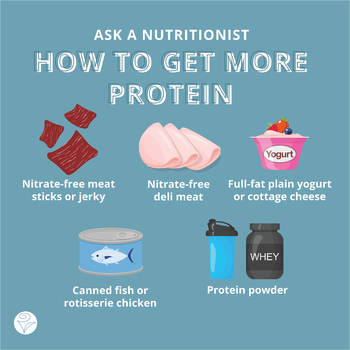
We know that life is busy for many of our clients. In fact, one of our Dishing Up Nutrition listeners posed the question of how to get more protein into their daily diet... something other than eggs. My dietitian colleague Brandy Buro gave a great list of options in our Ask a Nutritionist podcast episode called How To Get More Protein. I've summarized this list for you here:
- High-Quality Meat Sticks or Jerky: Look for nitrate-free, no added sugar, grass-fed options.
- High-Quality Deli Meat: We recommend no added nitrates, organic, and pasture-raised deli meat.
- Canned Fish: Wild-caught salmon, tuna, or sardines are great options to store in the pantry to use in a pinch.
- Quality Rotisserie Chicken: A quick protein option to pick up on your way home from work. Look for as minimal ingredients as possible.
- Dairy: Plain yogurt or cottage cheese are quick additions to meals or snacks. Add fruit, nuts and seeds, or veggies (if you like your cottage cheese savory!) to make it balanced.
- Protein Powders: Choose options with a short ingredients list and without added sugar or artificial sweeteners. Stevia and monk fruit are ok sweeteners.We like NutriKey's whey protein and paleo protein powders.
- Bone Broth: Homemade or high-quality store-bought options are great for sipping or added to any recipe that calls for water (think soups, stews, whole grains like quinoa or rice).
Make your own from this recipe on our website.
Do you learn better listening to a podcast episode? Listen to this topic discussed on our Ask A Nutritionist Podcast - How To Get More Protein.
Why We Like Protein Shakes
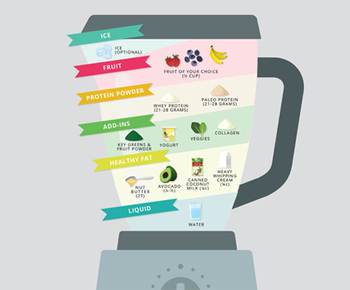 Like most people, our days get busy with work, family, and other commitments. So sometimes it's nice to rely on a quick and easy protein shake to balance blood sugar and have the energy to get through the day.
A balanced protein shake gets all of the big three (protein, fat, carbs!) in all at once in a delish combination that even kids will enjoy.
You can bring it on the go, they're easy to make, you can make a few in bulk and freeze in mason jars, and switch up the flavors to keep it interesting!
Learn more: Ten Easy Smoothie Recipes
Our Favorite Protein Foods Recipes
Banana Muffins Recipe
Sometimes you just need a little baked good for breakfast, for an after-school snack, or to share with coworkers in the office. These gluten free banana muffins are packed with protein and made without any refined sugars. It's a great way to use up those spotted bananas on the counter and a fun way to sneak in some protein.
Get the Banana Muffin Recipe
Turkey Breakfast Sausage Recipe
If you don't want to eat 3+ eggs to meet your protein needs at breakfast, add in turkey breakfast sausage to boost your protein at the start of the day. These are easily made in bulk and reheated during the week.
Get the Turkey Breakfast Sausage Recipe
Instant Pot Garlic Herb Chicken Recipe
For batch cooking protein, let your appliances do the work for you! Toss these chicken breasts or thighs into your Instant Pot or slow cooker. The garlic and Italian herb blend is versatile so you can add the shredded chicken to salads, soups, make chicken salad, or eat as is. For variety, use this recipe as a template and add your own spice blends, like a taco or BBQ seasoning.
Get the Instant Pot Garlic Herb Chicken Recipe
Wild Rice Meatballs Recipe
These are a favorite among staff and clients because they are easy to whip up in a double or triple batch to freeze and have on hand for either a meal or snack. Quick tip: buy pre-cooked wild rice to speed up the steps if you're crunched for time.
Get the Wild Rice Meatball Recipe
Peanut Butter Protein Balls Recipe
An easy, no bake recipe for a quick snack, these protein balls are a hit with all ages! Also a great option for a pre-workout energy boost.
Get the Peanut Butter Protein Balls Recipe
A Healthy Diet Includes Protein
In summary, protein is one of the essential macronutrients that's needed for a variety of functions including energy, metabolism, healthy tissues, muscle growth, good moods, a stronger immune system, and weight loss. The amino acids found in dietary protein provide the building blocks for all of these essential functions.
As real food nutritionists, we recommend getting in a variety of animal proteins daily to meet your health needs. High quality protein powders can be a helpful addition to get your protein needs met.
If you need more ideas or a customized approach to getting in all the protein, schedule an appointment with one of our dietitians and nutritionists or take a class! We are here to help you add protein in your diet so you can live your best life!
Online Class: 5 Steps To Boost Metabolism
Learn how to improve your metabolism through the foods you eat in this online class.
Learn More: 5 Steps To Boost Metabolism
If you'd like to dive into more of the protein discussion (or looking for more ways to use it), check out these resources:
LISTEN: Lose Body Fat & Gain Muscle In Perimenopause - hint: quality protein!
READ: Why Women Need Protein For Weight Loss
LISTEN: Protein Power For Weight Loss