


Ease Inflammation, Ease Prostate Problems
By Nutritional Weight & Wellness Staff
March 9, 2026

Originally written April 25, 2023 (updated March 2026)
How is it that the small gland called the prostate gland can cause men such big problems? When the prostate becomes inflamed or enlarged, it can lead to:
-
More frequent trips to the bathroom
-
Weak urine flow
-
Burning or discomfort
-
Pressure and stiffness in the lower back and pelvic region
Over time, these urinary symptoms can really impact sleep, comfort, and quality of life. An enlarged prostate (often called prostate enlargement or benign prostatic hyperplasia) and prostate cancer are both increasingly common as men age, especially after age 50.
A big focus of our work is helping men protect prostate health as they age and lower their risk of prostate cancer with real-food choices and targeted supplements. A healthy prostate diet is one of the most powerful tools men have to support a calmer, healthier prostate over their lifetime.
Screening, Active Surveillance & Why Food Still Matters
Many men first hear about the prostate when a doctor or healthcare professional recommends screening. That might include:
-
A blood test called the prostate specific antigen (PSA)
-
A digital rectal exam (DRE)
For some men, results reveal a higher risk of developing prostate cancer or even a clear diagnosis of prostate cancer. In many cases today, especially with low-risk or early-stage disease, men may be offered a treatment approach called active surveillance.
Active surveillance means:
-
Keeping a close eye on the prostate with regular blood test monitoring (PSA), imaging, and exams
-
Delaying surgery or radiation unless the cancer clearly becomes more aggressive
This can go on for years. That window of time is a powerful opportunity to look closely at what you’re eating, how you’re living, and how those choices may influence inflammation, hormones, and the health of your healthy cells in the prostate.
Food doesn’t replace medical treatment, but the right diet can have a very positive effect on your overall health, comfort, and long-term prostate health.
The Inflammation Connection
Low-grade inflammation is often at the root of many prostate issues:
-
Benign prostatic hyperplasia (BPH)
-
Ongoing urinary symptoms
-
A chronically irritated prostate
-
Increased risk of more aggressive prostate cancer
Think of inflammation as a low fire smoldering in the body. A pro-inflammatory diet makes that fire hotter; a calm, real-food healthy diet helps cool it down.
A big part of our approach is helping men understand which foods are likely to feed that fire, and which foods rich in antioxidants, vitamins, and essential nutrients help protect and support a healthier prostate.
Certain Foods That Can Inflame the Prostate

We never label foods as “good” or “bad,” but we do see clear patterns between certain foods and irritated prostates in the clinic. When men are dealing with BPH, prostate enlargement, or are trying to prevent prostate cancer, these are some of the most common troublemakers we look at together:
1. Sugary Drinks & Refined Carbs
Daily bagels, frozen pizza, pastries, energy drinks, and soda all fall into the ultra-processed category. These choices are often:
-
High in sugar
-
Low in protein and fiber
-
Filled with refined flours and additives
This combination can spike blood sugar, fuel inflammation, and is strongly linked with a higher risk of many chronic disease patterns. When research looks at developing prostate cancer, men with diets high in sugar and ultra-processed foods tend to have a higher risk of prostate cancer.
We also see juice as a hidden culprit. Even when it’s labeled “natural,” fruit juice behaves like liquid sugar in the body, especially when it’s not balanced with protein, healthy fats, or fiber from whole fruits.
2. Ultra-Processed & Processed Meats
Many convenience meats — deli slices, sausage, hot dogs, and other processed meats — are highly processed and often combined with refined carbs (think hot dog in a bun with chips and soda).
That whole combination tends to:
-
Add more inflammatory oils and additives
-
Crowd out real-food protein like fresh fish, chicken, or grass-fed beef
-
Add more sodium and preservatives that don’t support overall health
If you’re working on a more prostate healthy pattern of eating, it’s helpful to cut back on heavily processed meats and replace them with real, minimally processed protein.
3. Alcohol & “Weekend Extras”
For many men, alcohol (especially beer) is closely tied to worsening BPH and urinary symptoms:
-
More frequent nighttime urination
-
Strong urgency
-
Poor urinary function
Alcohol also adds stress to the liver, and over time can contribute to inflammation, hormone imbalances, and heart disease. When a man already has an enlarged prostate, extra alcohol can make everything feel more irritated.
Along with alcohol, some men notice that very salty or very spicy foods in large amounts seem to aggravate their bladder and prostate area. Everyone is unique, so this is something we help clients track in connection with their symptoms.
4. Dairy, Red Meat & Saturated Fats
Different men respond differently to dairy products, red meat, and saturated fats. Rather than strict rules, we look at patterns:
-
How often are you choosing fatty fish versus fatty processed meats?
-
Are you pairing red meat with loads of vegetables, or mostly with fries and bread?
-
How do these foods seem to relate to your symptoms?
We often shift men toward quality protein sources, including fish, poultry, and grass-fed red meat, always paired with fiber-rich veggies and healthy fats like olive oil or avocado. The goal is not deprivation; it’s balance.
Foods That Calm Inflammation & Support Prostate Health
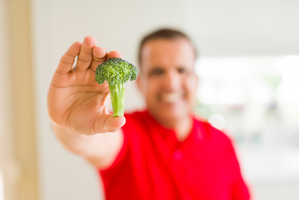
The good news? A healthy prostate diet is built from delicious, satisfying real foods. It’s less about perfection and more about patterns you repeat most days.
1. Vegetables (Especially Cruciferous Vegetables)
Vegetables are the stars of the show here, especially cruciferous vegetables such as:
-
Broccoli
-
Brussels sprouts
-
Cauliflower
-
Kale
-
Cabbage and arugula
These plants supply antioxidants and special compounds that help the liver break down and clear hormones, including estrogens. That’s a big deal for men, because excess estrogen and estrogen-like chemicals can play a role in prostate enlargement and prostate cancer.
We often encourage men to aim for 6–9 cups of vegetables most days, focusing on color and variety:
-
Leafy greens, cooked or raw
-
Roasted cruciferous vegetables
-
Peppers, onions, carrots
-
Fresh salsa, slaws, and stir-fries
This isn’t about counting cups obsessively; it’s about making vegetables a major part of every meal.
2. Fruits for Antioxidants (In the Right Amount)
Whole fruits add fiber, vitamins, and antioxidants that support a healthier prostate and overall health. We usually suggest:
-
Choosing fresh fruits like berries, apples, or oranges
-
Pairing fruit with protein and healthy fats (for example, apple slices with nut butter)
-
Being mindful of portions if you’re working on blood sugar or diabetes concerns
Whole fruit is very different from juice; the fiber in whole fruit helps slow the impact on blood sugar and supports digestion.
3. Healthy Fats & Fatty Fish
Healthy fats are a key part of a real-food plan for prostate health. They help keep you satisfied, support hormones, and calm inflammation. Some of our favorites include:
-
Extra virgin olive oil
-
Avocados
-
Nuts and seeds
-
Olives
-
Grass-fed butter
On top of that, fatty fish rich in omega 3 fatty acids are especially supportive. Think:
-
Wild salmon
-
Sardines
-
Herring
-
Anchovies
-
Mackerel
These fish provide omega 3 fatty acids that have strong anti-inflammatory properties and may help lower the inflammatory burden on the prostate and the rest of the body.
4. Real-Food Carbohydrates
When it comes to carbs, we often focus on real-food sources:
-
Root vegetables (sweet potatoes, beets, carrots)
-
Winter squash
-
Sometimes whole grains like wild rice or quinoa, depending on your tolerance
Paired with protein and healthy fats, these can be part of healthy eating for overall health, stable blood sugar, and lower inflammation.
A Prostate-Supportive Plate: Putting It All Together
Here’s what a typical prostate healthy meal pattern might look like:
Breakfast
-
Veggie egg bake or scrambled eggs with spinach, onions, and peppers
-
Side of berries
-
Avocado or a drizzle of olive oil over the veggies
Lunch
-
Big salad with mixed greens, cruciferous vegetables (like shredded cabbage or broccoli slaw), cucumbers, tomatoes
-
4–6 ounces of grilled chicken, turkey, or leftover fish
-
Dressing made with olive oil and vinegar
Dinner
-
Baked fatty fish (like salmon) or roasted chicken thighs
-
Roasted Brussels sprouts or cauliflower
-
Roasted sweet potato with butter or olive oil
This type of plate supports:
-
Better prostate health
-
Steadier energy
-
A more healthy weight
-
Lower inflammation for better overall health and well being
Supplements for Additional Support
Here are the core supplements and vitamins we typically recommend for prostate health, based on our internal prostate episode and updates:
1. Prostate Pro
This is our go-to supplement for men over 50:
-
Contains a high concentration of saw palmetto, which helps block the conversion of testosterone into DHT (the aggressive androgen that stimulates the prostate to swell and can contribute to prostate cancer and other prostate problems).
-
Includes stinging nettle, which is another anti-inflammatory herb that can help lower PSA (prostate specific antigen) and acts as a mild diuretic to support more complete bladder emptying and reduce urgency and frequency.
-
Also supplies zinc and a bit of lycopene, both supportive for prostate tissue and cellular protection.
Our dietitians describe Prostate Pro as “one of the go-to supplements for men over 50” and note that it’s been very helpful for men dealing with nighttime trips to the bathroom and BPH-type urinary symptoms.
2. Nutrikey Omega-3 Extra Strength
A key anti-inflammatory support, especially when someone isn’t consistently getting omega-3s from salmon, sardines, etc.
-
If you’re not eating fatty fish two to three times per week, Nutritionists specifically recommend supplementing with a good quality fish oil like Nutrikey Omega-3 Extra Strength (gel caps or liquid).
-
This product has a higher EPA and DHA per capsule, so most people only need two capsules per day, or a teaspoon of liquid to match three capsules of the lower-dose omega-3 1000.
3. Curcumin 400
For a man with an inflamed or enlarged prostate, curcumin is one of the main natural anti-inflammatories our team turns to (alongside omega-3s and a real-food diet).
-
Turmeric has great anti-inflammatory benefits, and for those who don’t love the taste, Curcumin 400 supplement concentrates those properties into a capsule.
-
Taking one capsule with each meal can drop inflammation quickly for people with chronic pain or a high inflammatory load.
4. Estro I-3-C (for estrogen detox & prostate protection)
Because excess estrogen and environmental xenoestrogens can drive prostate problems. So for men with prostate concerns plus belly fat or heavy chemical exposure (golfers, farmers, etc.), Estro I-3-C is a key “estrogen-detox” support we’d consider.
-
Estro I-3-C is like eating “14 cups of cruciferous vegetables all concentrated in a capsule,” containing Indole-3-Carbinol and DIM, the cancer-fighting compounds in cruciferous veggies that support estrogen detox in the liver.
-
Our nutritionists stress it’s not just for women – they recommend it for men as well, especially when there are signs of estrogen dominance or high exposure to pesticides and other xenoestrogens.
-
Estro I-3-C helps protect the prostate from becoming an “estrogen-dominant situation” and also assists the liver in detoxifying environmental estrogens.
5. Vitamin D
In a prostate-focused protocol, vitamin D would be a standard, year-round baseline support, with dosing individualized based on labs and guidance from a practitioner.
-
Vitamin D is one of our favorite supplements for everybody, but especially when thinking about prostate cancer and overall cancer risk.
-
For someone trying to prevent cancer, making sure vitamin D is adequate is an “absolute must” and “a non-negotiable.”
6. Zinc
Zinc shows up in two key ways:
-
Zinc helps suppress prostate cells from converting to malignant cells and also supports immune function.
-
Food alone isn’t enough, zinc supplementation can help, but more isn’t always better. We recommend being mindful of total zinc intake from all supplements and generally staying around 50 mg/day unless guided otherwise, since too much zinc over time can interfere with copper and iron balance.
Food first, plus thoughtful zinc supplementation (often already covered in Prostate Pro and/or a multivitamin) is our recommendation.
Lifestyle Habits: Movement, Sleep & More
Beyond nutrition, we also look at lifestyle patterns that support a calmer, healthier prostate and better life overall:
-
Physical activity & regular exercise – Even something as simple as brisk walking most days of the week helps circulation, supports a healthy weight, and reduces overall inflammation.
-
Sleep – Quality sleep supports hormone balance and immune function, which matter when you’re trying to prevent prostate cancer or manage existing prostate cancer or BPH.
-
Stress management – Ongoing stress can drive inflammation and poor food choices. Simple stress-management tools can support your health as much as what’s on your plate.
You don’t need to be an athlete to benefit; simply being more physically active in a way that works for you can help your body, bladder, and prostate feel better over time.
Pulling It All Together
Whether you’re:
-
Watching your PSA on active surveillance
-
Living with benign prostatic hyperplasia and daily urinary symptoms
-
Hoping to prevent prostate cancer because it runs in your family
-
Or just wanting a healthy prostate diet to support lifelong prostate health
…shifting to a real-food, anti-inflammatory way of eating can make a meaningful difference.
There’s no magic food, no perfect diet, and no single supplement that guarantees you’ll never face prostate issues. But a pattern of:
-
Real, unprocessed foods
-
Plenty of vegetables and cruciferous vegetables
-
Quality protein
-
Healthy fats like olive oil and avocado
-
Fewer sugary drinks and ultra-processed foods
…can help reduce your risk of prostate cancer, calm an enlarged prostate, and support your overall health.
If you or someone you love is navigating BPH, prostate cancer, or ongoing urinary symptoms, working with one of our nutritionists can make the process much more clear and doable. Together, we can design a realistic, enjoyable plan that supports both your prostate and your whole-body health.
Book an appointment with one of our nutritionists (check here for insurance coverage information)
For more information on the prostate, check out these resources:
- Listen: The Top Prostate Health Questions Answered
- Listen: Prostate Health
- Listen: Men’s Health and Their Diet
- Read: The Prostate: Small Gland, Big Trouble
- Read: Nutrition for Reducing Cancer Risk
References:
- https://www.sciencedaily.com/releases/2016/04/160405182105.htm & Ultra-processed foods may be linked to increased risk of cancer -- ScienceDaily
- https://www.sciencedaily.com/releases/2012/10/121019141128.htm
- http://www.lifeextension.com/magazine/2015/5/new-studies-reveal-importance-of-zinc-in-maintaining-prostate-health/page-01
- https://www.nytimes.com/2020/03/02/well/live/before-prostate-surgery-consider-active-surveillance.html